


Pietro Pasolini – Il tempo inciso
Per questa sua terza mostra in galleria, Pietro Pasolini approfondisce la propria ricerca sulla natura come presenza attiva e generativa del processo artistico.
Comunicato stampa
PIETRO PASOLINI
"IL TEMPO INCISO"
26 febbraio 2026
Galleria Valentina Bonomo
via del portico d'Ottavia 13 Roma
La Galleria Valentina Bonomo è lieta di annunciare l’inaugurazione della mostra personale “Il tempo inciso” di Pietro Pasolini, giovedì 26 febbraio 2026 dalle ore 15 alle ore 21 in via del Portico d’Ottavia 13 a Roma.
Per questa sua terza mostra in galleria, Pietro Pasolini approfondisce la propria ricerca sulla natura come presenza attiva e generativa del processo artistico. Distanziandosi dall’uso tradizionale di pigmenti e inchiostri, l’artista affida la creazione delle proprie opere all’azione diretta degli elementi naturali. Dipinti e sculture prendono forma attraverso reazioni imprevedibili, dove l’energia naturale incide, consuma e trasforma la materia. Queste opere non rappresentano la natura, ma ne sono il risultato: tracce fisiche di un dialogo costante tra controllo umano e forza elementare.
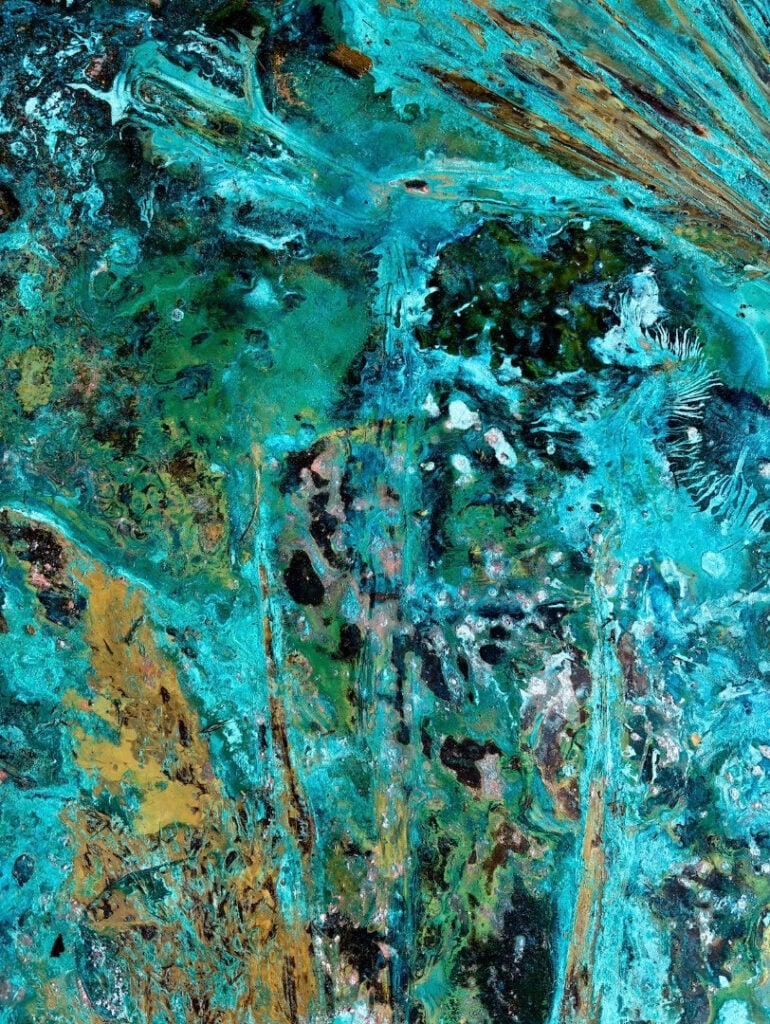
In mostra sono presenti opere realizzate attraverso processi ossidativi di lastre metalliche, sulle cui superfici emergono incisioni che evocano forme vegetali, paesaggi o gesti corporei. Le variazioni cromatiche e tattili suggeriscono il passare del tempo e l’influenza degli elementi naturali. L’ossidazione diventa, così, un linguaggio visivo e concettuale, sottraendo all’artista il controllo totale dell’opera e affidandone l’evoluzione a reazioni autonome tra metallo, aria, acqua e agenti atmosferici. Il metallo, tradizionalmente simbolo di solidità e permanenza, viene restituito alla sua fragilità, ricordando come ogni materia sia inevitabilmente soggetta al cambiamento.
Accanto a questi lavori, la mostra include due fotografie, realizzate in Patagonia e in Tajikistan, che esortano lo spettatore a soffermarsi su dettagli che spesso sfuggono all’osservazione immediata. Le immagini mettono in evidenza la fragilità e la complessità dei soggetti rappresentati e invitano ad una visione più attenta e meditativa della realtà.
Completa la mostra scultura di forte impatto simbolico: un torso umano che, al posto della testa, sostiene una grande pianta di agave. Questa figura ibrida evoca archetipi antichi e visioni future, richiamando il tema della metamorfosi presente nel mito del Minotauro, ma privandolo di ogni connotazione mostruosa. L’agave-uomo diventa così un’immagine di continuità, un corpo attraverso cui la natura si manifesta, respira e si rinnova, sottolineando l’interdipendenza profonda tra essere umano e ambiente.
“Il tempo inciso” propone una riflessione urgente sui confini tra umano e naturale, mettendone in discussione la separazione. Come la figura dell’agave, anche l’essere umano emerge come entità ibrida, parte integrante del paesaggio che abita. In questo spazio di trasformazione continua, l’arte diventa luogo di incontro, memoria e rinnovata consapevolezza del nostro legame con il mondo naturale.
PIETRO PASOLINI
"IL TEMPO INCISO"
February 26th 2026
Galleria Valentina Bonomo
via del portico d'Ottavia 13 Rome
Valentina Bonomo Gallery is pleased to announce the opening of the solo exhibition “Il tempo inciso” by Pietro Pasolini, on Thursday, February 26th 2026, from 3:00 pm to 9:00 pm, at via del Portico d’Ottavia 13, Rome.
For his third exhibition at the gallery, Pietro Pasolini further develops his research into nature as an active and generative presence within the artistic process. Moving away from the traditional use of pigments and inks, the artist entrusts the creation of his works to the direct action of natural elements. Paintings and sculptures take shape through unpredictable reactions, in which natural energy engraves, erodes, and transforms matter. These works do not represent nature; they are its result, physical traces of an ongoing dialogue between human control and elemental force.
The exhibition features works created through oxidative processes on metal plates, whose surfaces reveal engravings that evoke vegetal forms, landscapes, or bodily gestures. Chromatic and tactile variations suggest the passage of time and the influence of natural elements. Oxidation thus becomes both a visual and conceptual language, removing total control from the artist and entrusting the evolution of the work to autonomous reactions between metal, air, water, and atmospheric agents. Metal, traditionally a symbol of solidity and permanence, is returned to its fragility, reminding us that all matter is inevitably subject to change.
Alongside these works, the exhibition includes two photographs, taken in Patagonia and Tajikistan, which encourage viewers to linger on details that often escape immediate observation. The images highlight the fragility and complexity of their subjects and invite a more attentive and meditative way of seeing reality.
The exhibition is completed by a sculpture of strong symbolic impact: a human torso that, in place of a head, supports a large agave plant. This hybrid figure evokes ancient archetypes and future visions, recalling the theme of metamorphosis found in the myth of the Minotaur, yet stripped of any monstrous connotation. The agave-man thus becomes an image of continuity, a body through which nature manifests itself, breathes, and renews, underscoring the profound interdependence between human beings and the environment.
“Il tempo inciso” offers an urgent reflection on the boundaries between the human and the natural, questioning their separation. Like the agave figure, the human being emerges as a hybrid entity, an integral part of the landscape it inhabits. In this space of continuous transformation, art becomes a site of encounter, memory, and renewed awareness of our bond with the natural world.
