



Mel Ramos – An Iconography of American Beauty
Comunicato stampa
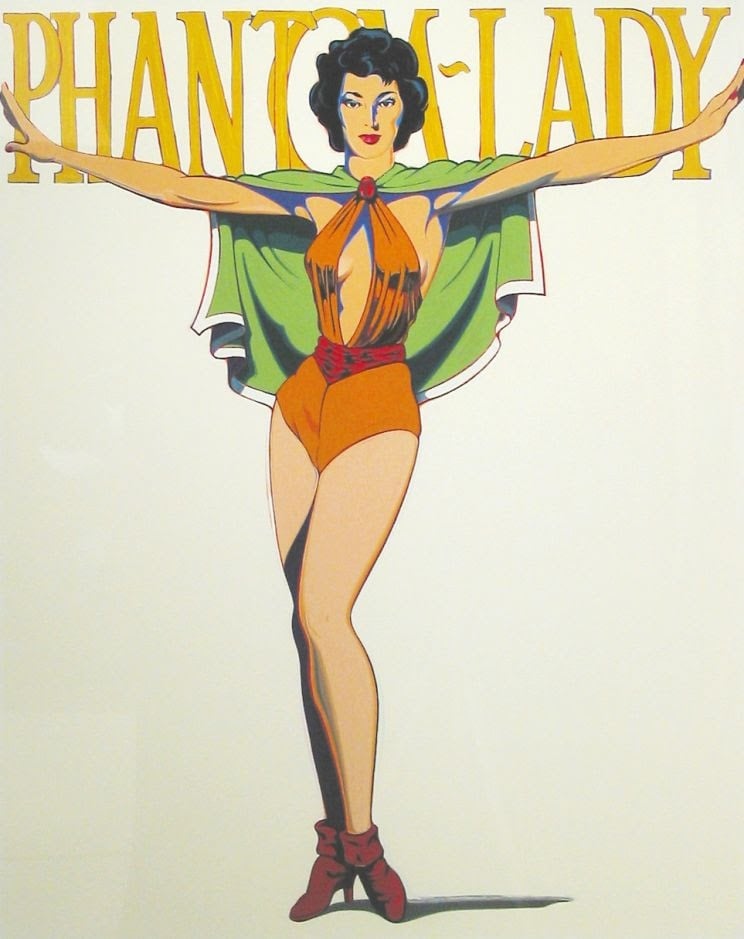
Mel Ramos (1935–2018) occupies a distinctive position within American Pop Art. While artists such as Andy Warhol and Roy Lichtenstein used the visual language of advertising and mass culture for critique, Ramos combined it with art historical traditions and archetypes of female beauty. This resulted in a cross-temporal exploration of the image of the feminine.
In his dialogue with the history of painting, Ramos examined how an American idea of beauty is shaped by media and consumer culture. His works show that these images represent not so much real bodies as culturally constructed ideals. As Daniel J. Schreiber observed: “Ramos’s female figures are never images of nude women but rather pictures of pictures of nude women.” Youth, flawlessness, and sex appeal appear as standardized and commercially exploitable constructs.
At the same time, Ramos elevates these figures beyond their origins in advertising and popular culture. They appear as self-assured, present figures with their own sensuality. Their bodies are neither classically idealized nor pornographic, but immediate and alive. According to Belinda Grace Gardner, this reflects an open form of female sexuality.
A central motif is the close connection between body and commodity. The female body becomes part of the consumer world and is equated with products. This intensification makes visible the mechanisms of capitalism, in which desire is produced and marketed. At the same time, Ramos’ figures do not appear as passive objects, but as self-aware actors who control their own impact.
Ramos remained committed to painting and developed a sensual, color-rich visual language with an emphasis on physicality. He was influenced in part by his teacher Wayne Thiebaud as well as by elements of Surrealism. His work combines consumer aesthetics with a strong awareness of art historical tradition. Biographically significant is that his wife Leta, a former beauty queen, was his most important and enduring muse. This personal relationship shaped his ongoing engagement with female beauty.
Ramos’ art moves between representation and critical distance. Through irony, he reveals the artificiality of societal ideals of beauty while also questioning the male gaze. As Donald Kuspit noted, Ramos approaches beauty by both celebrating and reflecting on it. His works demonstrate that modern notions of beauty are shaped by social and media conditions. At the same time, his figures assert their own presence and self-awareness. Beauty thus appears not only as surface, but as an expression of physicality, identity, and creative power.
