
Marco Scarpi – Joker Smoker
Comunicato stampa
On the train back to Milan, I find myself interrogating the very form this text should take.
Having spent some time working in art galleries, I know all too well how quickly a lengthy and rambling exhibition text turns into noise … How do you first propose setting up an exhibition text in the form of an open letter? Especially when writing of your closest friend's practice. Does an exhibition text carry the solitude and the blame of an artist’s position or of the writer itself? I don’t draw conclusions so easily.
As I said, Marco is a very close friend. Friends are not ours, they belong to time, and like all the ones you love, they come by chance and they probably won’t stay forever. We often believe we possess a deep understanding of our friends, partners, artists, convinced we can anticipate their thoughts and emotions. However, we are merely projecting our own perspectives onto them.
It is here that I take the freedom of deliberately writing what comes to mind. Freedom makes the world a stage for agency, in moments of freedom, everything feels connected, actions feel consequential, reality becomes responsive, and the world feels like a test. To be free means doing what you can, knowing what your imagination demands and having the courage to obey it.
I met Marco about six years ago in Florence at his first exhibition ever. Before letting people look at the paintings, Caio arranged a short boxing match where Marco was facing him, with no chance of winning. Marco got almost beat up. Then the show started.
Encounter is the key to life — the fundamental key to human existence — because within encounter lies destiny, self-improvement, catastrophe, and the very meaning of life. It wasn’t then that we became friends, I got to know him later once he moved to Florence. Soon, we were spending weekends and holidays with our friends. Partying, racking up an endless amount of embarrassing and funny moments.
Only recently we started speaking more directly about his practice. I’ve seen him shed his skin many times. Even if it’s something that clouds his mind, there always seems to be a compelling reason for these changes, an endlessly self-stimulating and self-supporting process, a secret, hidden essence. For Marco pushback is necessary — all these variations often lead him to chaos.
If we've been painting apples for years, will we ever paint heads, or, are we even allowed to? Will we then never live as we want?
Much like what Dave Hickey notes in his essay: “What keeps Picabia alive and well is the way he keeps ducking the mantle of legitimacy.”
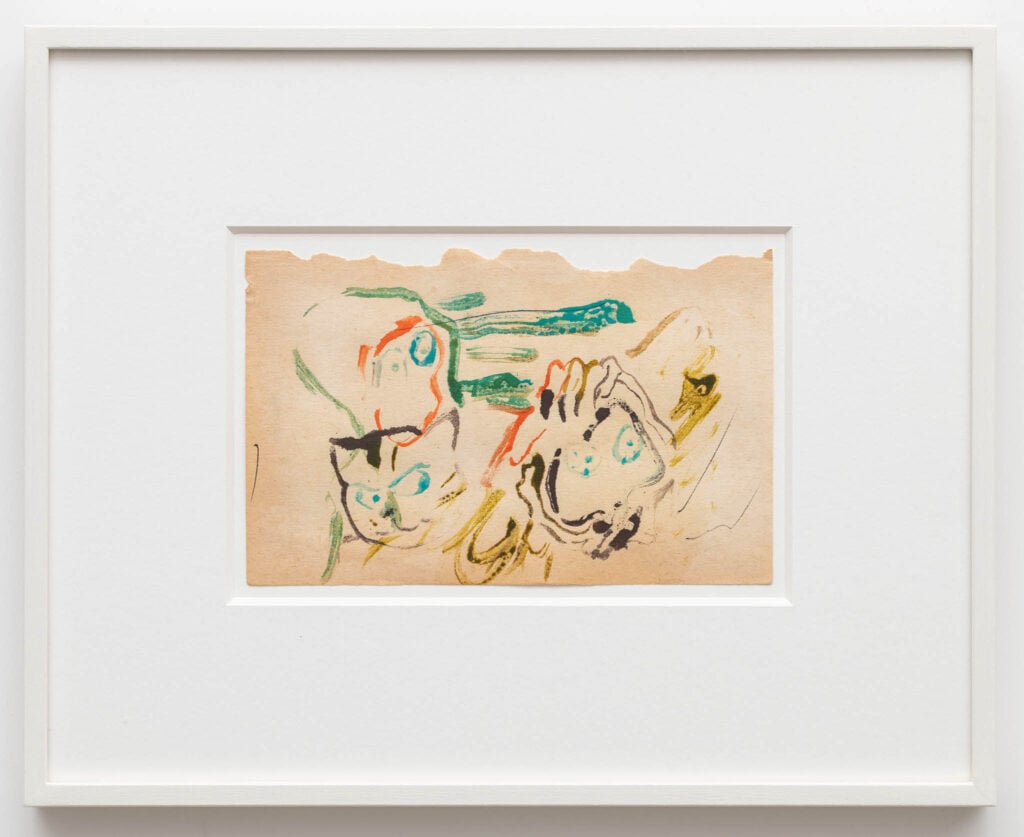
Marco works by creating a domain for activity rather than directing the hand or a thought creating the activity itself. He pushes this domain out into the world, equipping it to mutate alongside external factors and voices. He makes a case for art as a way of living rather than a way of working. His poetics emerge spontaneously; if you’ve spent time with him, these images will look familiar, or remind you something you two experienced together: a car swerving off the road, a lingering exchange of glances with a woman, thieves, a street pole cherishing the night, the allure of the big city, the perfect lie, a vagabond, the king becoming a jester and the servant mocking the master, motifs of luck, death and crime. Marco’s work is often emblazoned with his own last name: SCARPI.
These elements transform his works into cultural time capsules reflecting both the time from which they emerged and Marco’s constant exploration of identity and interconnectedness. The offhand drawings capture traces left behind by experience: how fragments of the past fold into the present, shaping what is seen and felt right now. The echoes of moments and expressive marks — both joyous and painful — accumulate, forming a thread that feeds into a larger search for meaning.
Amelia Rosselli — “La vita è breve e sempre grave è il ritardo.”
We look at things similarly. He has a pithy and vivid way of seeing: he doesn’t need much to construct an image, cook a meal, make an excuse, or to get settled in a new place. He constantly clears his headspace to begin again, to make art that is immune — at least for a second — and to find himself in the purest state, its emptiness and marginality. He lives like an amateur and has the liver of an amateur. Apologies for being so vague, writing about art feels absurd without feeling like this whole enterprise is a farce. Or maybe irony is now the only way of talking about art. Doesn’t art work this way? The joke becomes apparent in the very act of seeing the artwork, and I believe that joke begins in the visual realm…
Setting up the most serious world in the most tiresome infantilism.
This brings me to the whole axiological point of Marco’s practice: the daily farce. Being caught red-handed is the most sincere art form we have left. It strips away coolness, ideological narcissists, mystical technophiles, derivatives, aggressive networkers, opportunists, wannabes and wanna-not-bes, movements, and sheer stupidity posing as value. Farce wipes the moral slate clean, and leaves only the human figure in its wide-eyed, grotesque state.
–Edoardo Marabini
Born March 19, 1998 in Venice Marco Scarpi grew up in Cavallino-Treporti, a peninsular town located between the sea and the Venetian lagoon. Scarpi’s visual language is characterized by a broad research in material experimentation, influenced by his own personal experiences, he creates enigmatic narratives challenging emotions and feelings both universal and specific. He currently lives and works in the Florentine town of Montelupo.
