Vuoti abitati
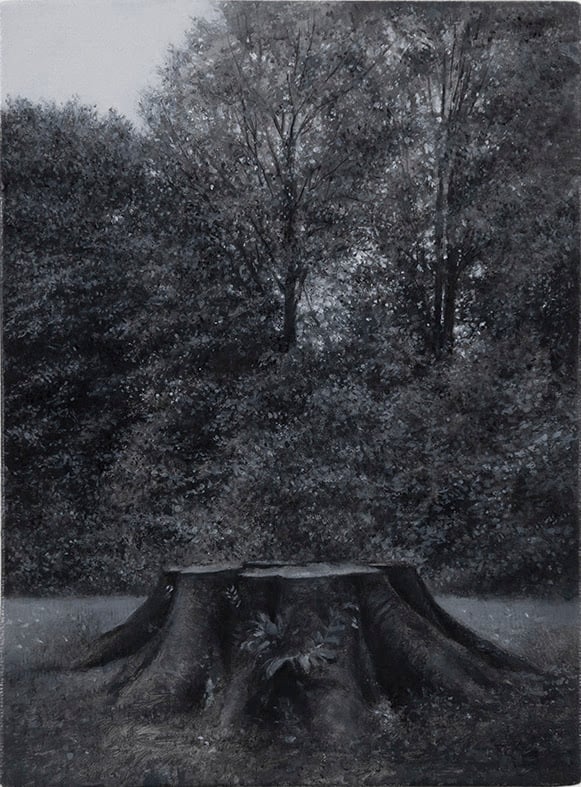
Vuoti abitati: sei artisti che attraverso diversi linguaggi affrontano il vuoto non come mancanza, ma come condizione di relazione.
Comunicato stampa
Vivere è passare da uno spazio all’altro cercando di non farsi male. (Georges Perec)
Vuoti abitati nasce da una domanda che attraversa il pensiero dell’autore Georges Perec in Specie di spazi: come descrivere uno spazio senza dimenticare che lo spazio è sempre abitato, anche quando appare vuoto?
Una stanza disabitata non è puro volume, ma un deposito di gesti, passaggi di corpi, abitudini sedimentate. Anche quando sembra privo di eventi, uno spazio custodisce silenziosamente presenze minime, tracce, vibrazioni. Per Perec, il compito della scrittura è far emergere questa densità nascosta: Ciò che accade ogni giorno e ritorna, il banale, l’ovvio, l’usuale, il comune, l’ordinario, l’infra-ordinario, il rumore di fondo, l’abituale.
Di questa forza emersiva sono capaci le opere in mostra in Vuoti abitati: sei artisti che attraverso diversi linguaggi affrontano il vuoto non come mancanza, ma come condizione di relazione. Oggetti, paesaggi naturali, cieli notturni e interni di appartamenti appaiono come in attesa di una presenza che li completi e la loro intensità si manifesta nell’apertura che offrono allo sguardo dell’osservatore. L’assenza diventa possibilità di dialogo. L’artista dispone lo spazio e ne trattiene le sonorità, l’osservatore vi proietta i propri interrogativi. Ogni lavoro in mostra è infatti un frammento di un paesaggio interiore, in cui qualcosa è sparito, ma l’eco resta e invita a sostare, a misurarsi con l’invisibile. Un maglione, un albero, un pianoforte, delle schegge di piatti rotti sono ritratti di quell’assenza che si svela grazie al gesto artistico.
Dalla storica pittura di Giacomo Balla, che ha guidato la costruzione della mostra, ai video di Susanne Kutter, che rappresentano il momento in cui l’ordine si incrina e si apre una frattura, ai fantasmi domestici di Alexandra Barth, l’osservatore è invitato a ripercorre il suo vissuto per leggere i lavori. Così, in Non siamo mai soli di Luca Vitone lo spazio si materializza in una trama di presenze invisibili, dove voci, odori e memorie fanno emergere le dimensioni più silenziose dell’abitare. Così anche nei lavori di Alain Urrutia, dove i soggetti affiorano da superfici oscure e l’osservarli si trasforma in un atto di ricostruzione. E così nelle opere di Alexander Brodsky, architetture provvisorie che si disintegrano sotto il proprio peso, monumenti temporanei dove la rovina si trasforma in contemplazione, l’inevitabile disgregazione della materia in un atto poetico di resistenza. Storie collettive e individuali che si intrecciano con il territorio, come sulle vette delle montagne innevate e apparentemente inaccessibili dell’artista kazako Yerbossyn Meldibekov, che svelano le tracce degli esploratori che le hanno scalate, dei contemplatori che le hanno raccontate, dei politici che le hanno utilizzate per tracciare un confine, nominate e rinominate per celebrare un evento, un periodo storico, un presunto eroe.
Giacomo Balla, Alexandra Barth, Alexander Brodsky, Susanne Kutter,
Yerbossyn Meldibekov, Alain Urrutia, Luca Vitone
VUOTI ABITATI
Opening: Thursday, 4 December 2025 - 6 pm
From 4 December 2025 to 13 February 2026
From Monday to Friday - from 10.30 am to 6 pm
MAAB Gallery, via Nerino 3 - Milano
Living is passing from one space to another while trying not to get hurt (Georges Perec)
Vuoti abitati [Inhabited Voids] originates from a question that runs through the thought of Georges Perec in Species of Spaces: how can one describe a space without forgetting that it is always inhabited, even when it appears empty?
An uninhabited room is not pure volume, but a repository of gestures, the passage of bodies, and sedimented habits. Even when it seems devoid of events, a space silently holds minimal presences, traces, and vibrations. For Perec, the task of writing is to bring out this hidden density: What happens every day and recurs, the banal, the obvious, the usual, the common, the ordinary, the infra-ordinary, the background noise, the habitual.
It is this ability to bring what is hidden to light that animates the works on view in Inhabited Voids. Six artists, through different languages, investigate emptiness not as an absence but as a condition of relation. Objects, natural landscapes, night skies, and apartment interiors appear as if waiting for a presence to complete them, and their intensity emerges in the openness they offer to the viewer’s gaze. The void becomes a possibility for dialogue. The artist arranges the space and captures its resonances, while the observer projects onto it their own questions. Each work in the exhibition is, indeed, a fragment of an inner space where something has disappeared, yet an echo remains—inviting one to pause and engage with the invisible. A sweater, a tree, a piano, shards of broken dishes: portraits of an absence revealed through the artistic gesture.
From the historical painting of Giacomo Balla, which set the tone for the exhibition, to the videos by Susanne Kutter, depicting the moment when order cracks and a fracture opens, to the domestic ghosts of Alexandra Barth, the viewer is invited to retrace their own memories while reading the works. In Luca Vitone’s Non siamo mai soli, space materializes as a fabric of invisible presences, where voices, scents, and memories bring forth the subtle dimensions of inhabiting. In the works of Alain Urrutia, subjects emerge from obscure surfaces, and the act of looking becomes one of recomposition. And so, in Alexander Brodsky’s works, provisional architectures that disintegrate under their own weight, temporary monuments where ruin becomes contemplation, and the inevitable disintegration of matter turns into a poetic act of resistance. Collective and individual stories intertwine with the landscape, as in the snow-covered and seemingly inaccessible peaks of Yerbossyn Meldibekov, which reveal the traces of explorers who climbed them, of those who narrated them, of politicians who used them to mark borders—named and renamed to commemorate an event, a historical period, a supposed national hero.
